
There are so many women composers to hear this week! (Especially if you like opera!)
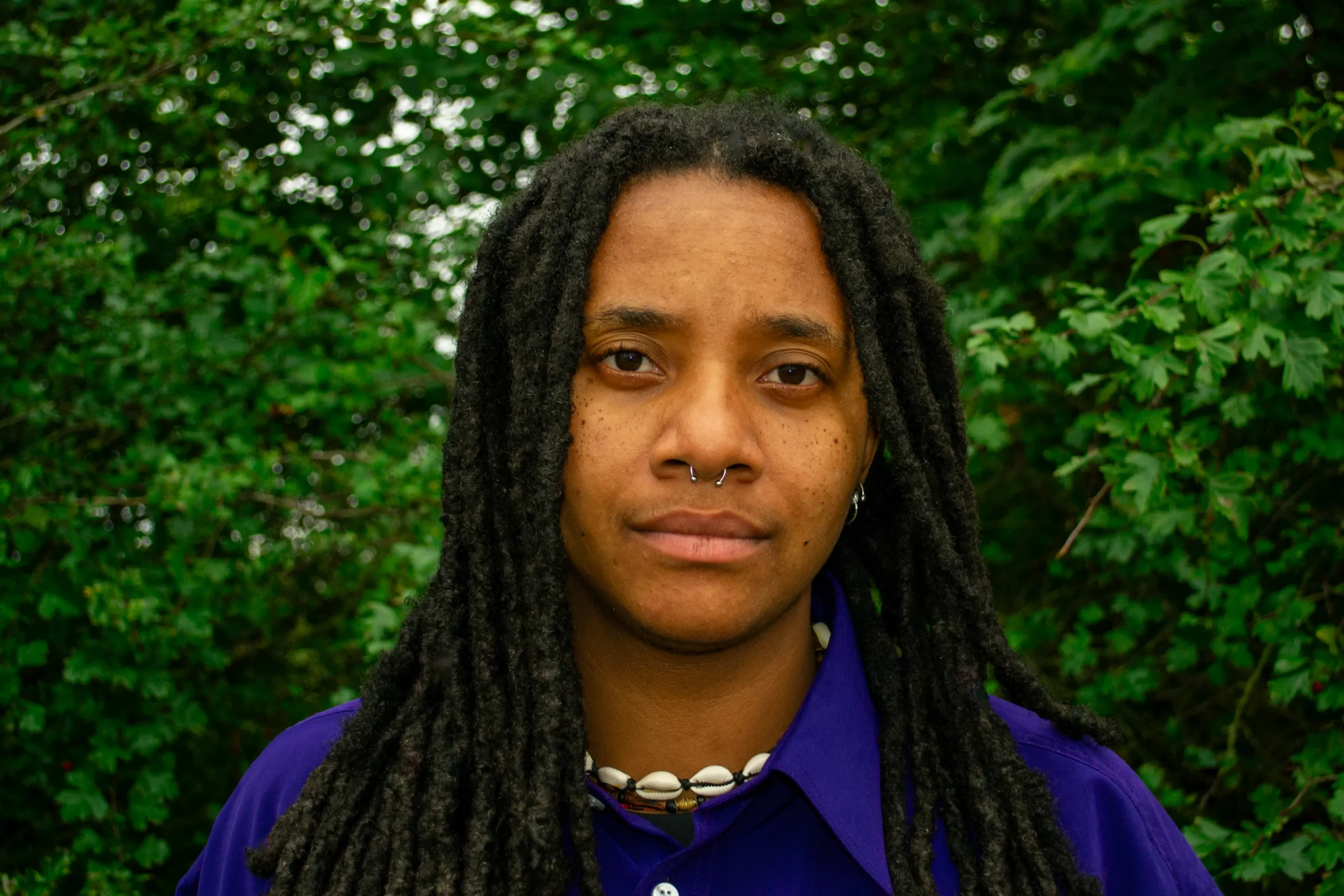
Nneka Cummins, composer
Royal Philharmonic Society Composer Nneka Cummins has been appointed as the Composer in Residence at the Chineke Foundation for its 2026-27 season. The season will feature a combination of performances of Nneka’s new and existing music.
Nneka is an award-winning composer who works in both acoustic and electroacoustic media. She taught herself composition while attending law school and later qualifying as a solicitor. Nneka was awarded the Liverpool Philharmonic’s Rushworth Composition Prize in 2021 and graduated with an MA in composition from Trinity Laban Conservatoire of Music and Dance in 2022. In the same year she became the Sound and Music New Voices composer and was named a Composer Academy fellow for the 2022/23 season.
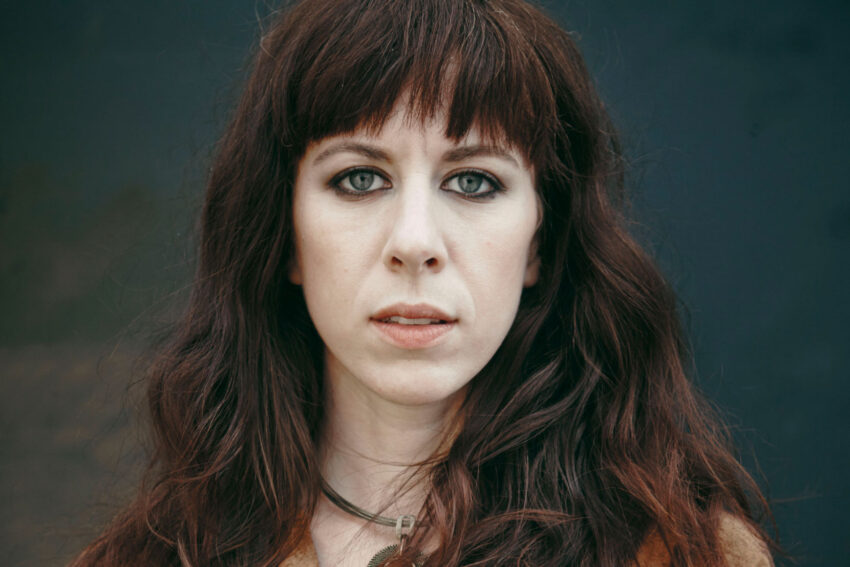
Missy Mazzoli, composer
On July 10, the English National Opera released its press material about Missy Mazzoli’s upcoming operatic premieres in the 2026/27. Part announcement and part well-deserved composer hype, the write-up details highlights of the upcoming 2026-27 season, including the world premieres of her two operas: Lincoln in the Bardo at The Metropolitan Opera and The Galloping Cure at the Edinburgh International Festival. The ENO will perform Mazzoli’s Breaking the Waves in February 2027. Breaking the Waves is based on the 1996 Lars von Trier film of the same name, and was premiered by Opera Philadelphia in 2016. I’m particularly excited by the ENO platforming Mazzoli’s opera in its 10th year because it shows that the piece is building a history. (I’m a music historian—go figure.) Repeat performances are often considered less newsworthy than premieres because the piece in question is already a known quantity, and perhaps even has a cache of existing reviews in the press about it. A performance ten years after the premiere offers listeners a chance to hear the piece with fresh ears.
ENO recommends an 18+ age guideline for the opera, as it includes some heavy/mature/violent themes.
Below is an excerpt from the opera, performed in concert-style by the Lamont Opera Theater & Lamont Symphony Orchestra (Denver, CO) in 2018.
Announced on July 6, OPERA America has awarded $135,000 to support commissions by women composers at seven opera companies in the United States. “Grant awards of up to $50,000 support a composer’s commissioning fee for a full production of a new opera. Awards may range from 50% the composer’s fee to up to 100% of the fee if the work features a woman librettist and is co-produced by at least one other company.” This initiative is supported by the Virginia B. Toulmin Foundation.
The winners:
- The Silver Cypress (سرو سیمین), composed by Niloufar Nourbakhsh with a libretto by Stephanie Fleischmann, commissioned by Beth Morrison Projects (Brooklyn, NY)
- The Snow Queen 2.0, composed by B.E. Boykin with a libretto by Deborah Brevoort, commissioned by the Glimmerglass Festival (Cooperstown, NY)
- Wholly Unwinding, composed by Hailey McAvoy with a libretto by Hailey McAvoy, commissioned by Hogfish (Cape Elizabeth, ME)
- Catalogue Gurl, composed by Lisa DeSpain with a libretto by Jerre Dye, commissioned by Opera Memphis (Memphis, TN)
- The Velveteen Rabbit, composed by Gilda Lyons (who also wrote her own libretto), commissioned by Resonance Works (Pittsburgh, PA)
- Si me tocaras el corazón, composed by Tania León, commissioned by The Industry (Los Angeles, CA). Librettist TBA.
- Song of the Lark, composed by Laura Kaminsky with a libretto by Andrea Fellows Fineberg, commissioned by Utah Symphony and Utah Opera (Salt Lake City, UT).
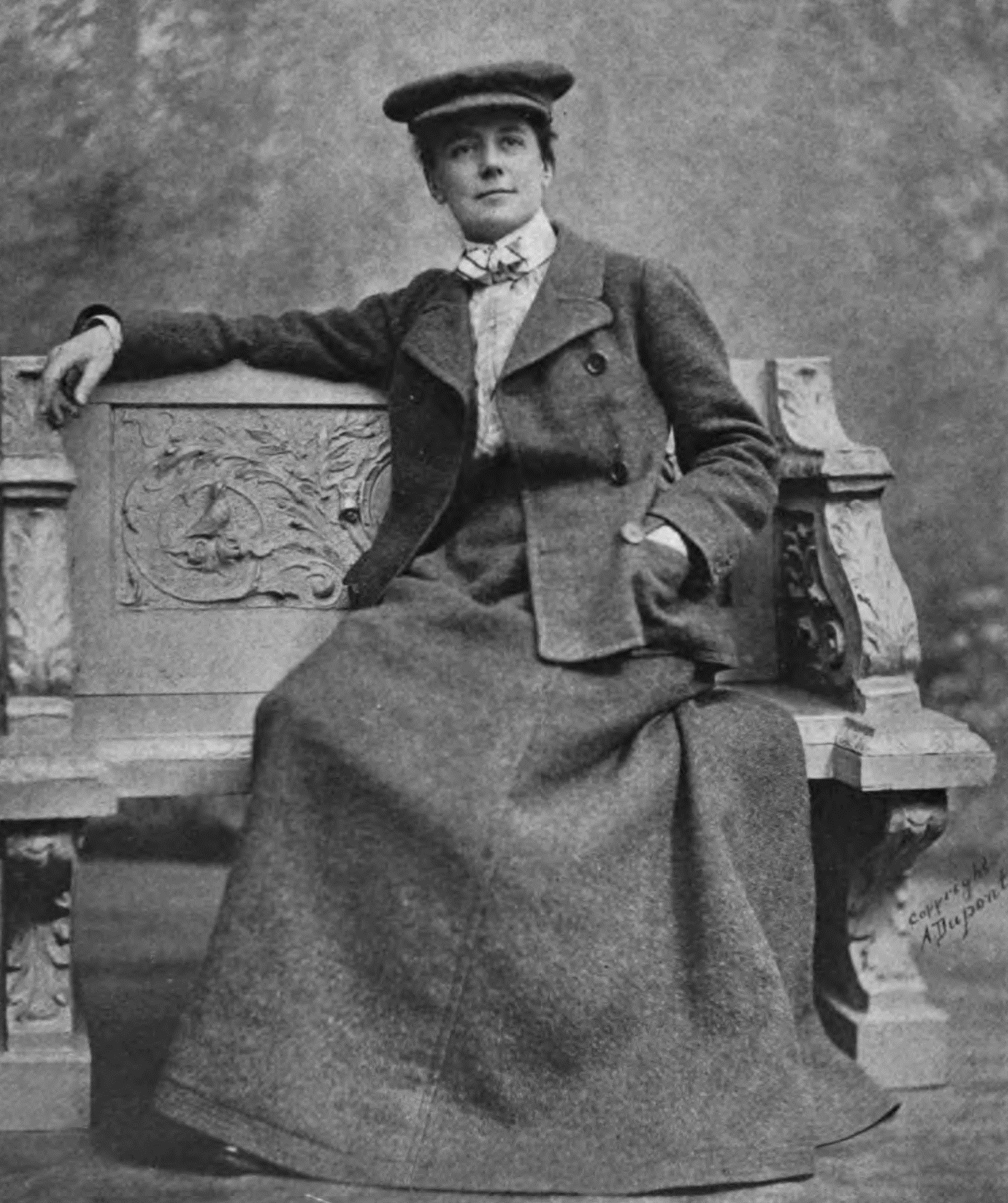 On July 15th, Ethel Smyth’s Symphony for Small Orchestra will appear on a program at Lincoln Center. This is an early Smyth work, composed closely to her popular Serenade in D and preceding her most famous operas. Even in her younger, greener composing years Smyth’s work had an energy and exuberance that still appeals to audiences long after her death. The work was unfinished and unpublished when she died, but has since been released in an edition by Peter Fender. Kathleen Dale wrote about Smyth’s uncatalogued work for Music & Letters in 1949, and placed the Symphony in her Leipzig period (i.e., when Smyth was living in Leipzig and studying at the Leipzig Conservatoire as a young musician.) The score bears the marks of heavy revision, and only one movement appears to have approached completion. It remains for musicologists and historians to suss out whether Smyth paused her work on it to work on another piece and simply never returned, or whether she transformed the material into fodder for another piece that later appears in her complete works list.
Some important reading from around the world:
Dutch music journalist Thea Derks reviews an important CD of orchestral music by Elsa Barraine (1910-1999). The opening sentence — “one of France’s leading composers in her day, but was soon forgotten after her death” — is the sad-but-true cliché that we have to continue to confront. Barraine was the fourth French woman to win the Prix de Rome, and during WW II she was active in the Resistance — Derks’ essay is an engaging introduction to a composer we can hope to hear more about soon!
And Mexican musicologist and critic Maby Muñoz Hénonin writes about the leading Mexican woman conductor in the online journal sonuslitterarum “Alondra de la Parra en la OSN. ¿Un nuevo capítulo en su relación con México?” (Alondra de la Parra with the National Symphony Orchestra: A new chapter in her relationship with Mexico?) Despite De La Parra’s stellar international career, she has long been snubbed by the elite institutions in her home country. Muñoz Hénonin analyses this situation and points to a recent concert that indicates a new direction. And remember, readers, Google translates (yay!) but look out for third person pronouns that are gender-neutral in Spanish but get translated as he / his (is it the technology? Or just the ever-present patriarchy????)
AND — our own Sarah Baer offers her insights on the 2026 BBC Proms, which open on Friday — how is the World’s Largest Music Festival doing in terms of women and orchestral music??
 Finally, discourse continues as always about the perpetual amnesia and rediscovery of women composers. Stacy Jarvis has speculated that it’s a canon problem and not a women composers problem, and Sarah Baer’s 2026 BBC Proms By The Numbers seems to concur. Jarvis has a particularly good description of the process of canon formation and why it has been so resistant to chance since the nineteenth century: “During the nineteenth century, critics, publishers, performers, and concert organisers gradually established a relatively small group of composers whose music came to define what we now consider the ‘standard repertoire.’ Music historian William Weber has shown how nineteenth-century concert programming gradually created the repertoire that still dominates concert halls today. Once these works became central to conservatoire training, orchestral programming, and public expectations, they reinforced one another. Students learned them, audiences requested them, orchestras performed them, and publishers continued to invest in them.” These institutions exist in a kind of endless bureaucratic loop where each can pass the responsibility of change off onto another. This process largely continues today, though some women composers have been able to gain some traction as they have been rediscovered.
This is not to say that there are no opportunities for change. Students at conservatory do much more than play in an orchestra, and many now have per-term chamber music or other performance requirements that give students chances to play much more experimental music by composers unheard of in the nineteenth century. Orchestra personnel likewise have similar opportunities, including outreach concerts for the orchestras that employ them. Audiences too have proven themselves receptive to new works in recent years, and in wide variety. The true difficulties seem to stem from prestige and money (which, naturally, are related). Orchestra concerts don’t come cheap, and concert organizers know that programming classics of the canon will help keep them in the black. Students who want full-time careers in music are balancing playing contemporary music with the orchestral warhorses that they hope will win them jobs. Conductors and soloists have incentives to choose to perform prestige pieces to both draw audiences and buttress their own careers. In a word, the situation is self-reinforcing.
It it not, however, hopeless. As Jarvis rightly points out, despite the systemic social barriers women composers have faced and continue to face, “it would be misleading to portray these composers simply as forgotten victims of history. Many achieved considerable success during their lifetimes.” Many of them were not only prolific and successful but famous, to an extent that makes their later obscurity confusing until we account for the machinery of patriarchy. As we get into the second half of 2026, let us take with us the knowledge that the historical music by women is there to be found and that new music by women is still be written.
Let us know who you’re listening to! Email us at info@wophil.org