
Exciting things going on! And even if you can’t get to the concerts we give some links to music so you can have a listen!
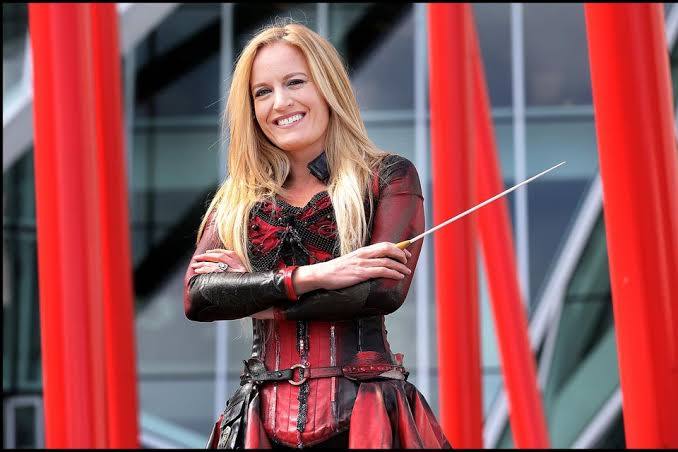
Eímear Noone, composer and conductor
On May 5th, the Bamberg Symphony Orchestra and Bamberg University Choir will perform a concert of video game music from classic and contemporary games. Eímear Noone, composer of the music for the legendary computer role-playing game “World of Warcraft” will conduct the orchestra. Noone is an Irish conductor and composer who has made a name for herself in videogame music and technology, and who is also famous for being the first woman to conduct the Academy Awards in 2020. Recently, she composed the score for the Channel 5’s (British free-to-air public broadcast television) drama series Maxine and Stephen Fry’s new production based on Oscar Wilde’s short story “The Canterville Ghost.” Noone also composed the score for the animated feature film, Two by Two: Overboard, which topped the UK Box Office in October 2020 and earned her an Ivor Novello nomination for Best Original Film Score.
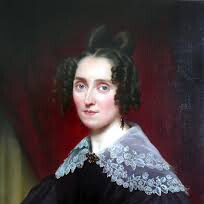
Louise Farrenc, composer
On May 7th and 8th the Gulbenkian Orchestra will perform Louise Farrenc’s Overture No. 2 in E-Flat Major, Op. 24 on a concert sponsored by the Calouste Gulbenkian Foundation featuring other works by Beethoven and Robert Schumann. Farrenc composed the overture in 1834. Her larger symphonic works (i.e., overtures, symphonies) take much of their inspiration from Haydn and Mozart. Critics have often described them as conventional and overlooked them for playing by the rules instead of making attempts to be inventive with their respective forms, but in the 1830s a woman who wanted to write music in large-scale so-called “masculine” genres—specifically things that required public performance or large instrumental forces—could do little else. Much of her work was re-discovered in the late 20th century when musicologists took an interest in women composers.
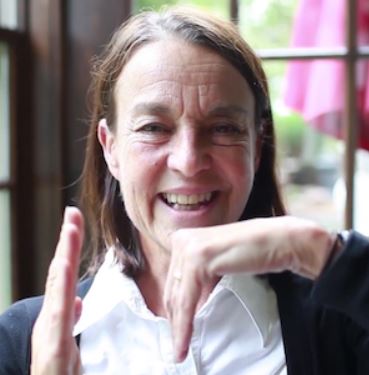
Libby Larsen, composer
On May 9, the Austin Civic Orchestra presents its program The Extraordinary Woman, including music by Libby Larsen and Grete von Zieritz. Larsen’s Overture to the End of a Century for Orchestra was composed in 1994, commissioned by the National Music Educators Convention and the National Association of Orchestras. She writes in her own notes for the piece that “the work explores some approaches to sound which have become part of our musical world in the last part of this century: the mixing board which can make a foreground elements which were once heard as background only; the computer screen, which can make fragments as interesting as complete lines; and the synthesizer, with its new sounds, and emphasis on color and pulse.” Grete von Zieritz’s Bilder vom Jahrmarkt (Scenes from a Fair) for flute and orchestra was composed in 1937. It features Ebonee Thomas as soloist. A number of the composer’s works for orchestra prominently feature flute, including two concerti grossi written shortly after Scenes from a Fair.
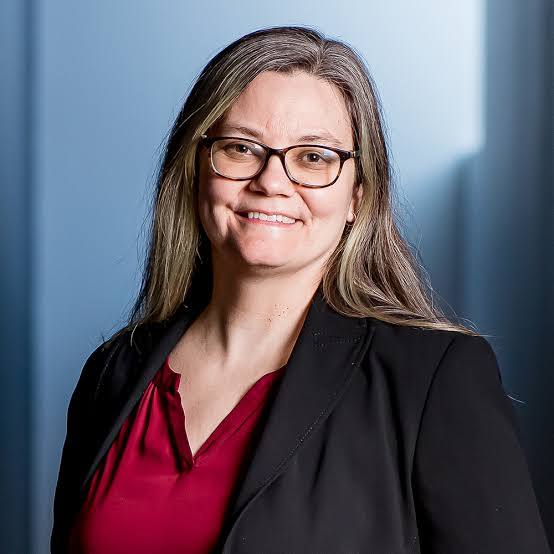
Karen Sunabacka, composer, cellist, and music theorist
From April 30 – May 3 the Tafelmusik Baroque Orchestra performed a new commissioned work by Métis composer Karen Sunabacka at Hearing Her Voice. Her work, titled nitatisipwētānān: We are Leaving, is a setting of text by her mother Joyce Clouston. Sunabacka draws on traditions of intergenerational storytelling and collaboration for her inspiration. Cristina Zacharias, violinist and co-director, described the program: “What’s so powerful about this program (Hearing Her Voice) is the dialogue it creates across time, bringing forward extraordinary music by women of the past alongside a new work that speaks from the present . . . It reveals a lineage of creativity that has always existed, even if it hasn’t always been heard.” Tafelmusik focuses on women composers from the past. Aside from Sunabacka’s piece on this program, all other works were written by female composers from previous centuries, including: Elisabeth Jacquet de la Guerre, Barbara Strozzi, Mademoiselle Duval, Wilhelmine von Bayreuth, Maria Teresa Agnesi, Maria Margherita Grimani, and Mrs Philarmonica, an early-18th century English Baroque composer.
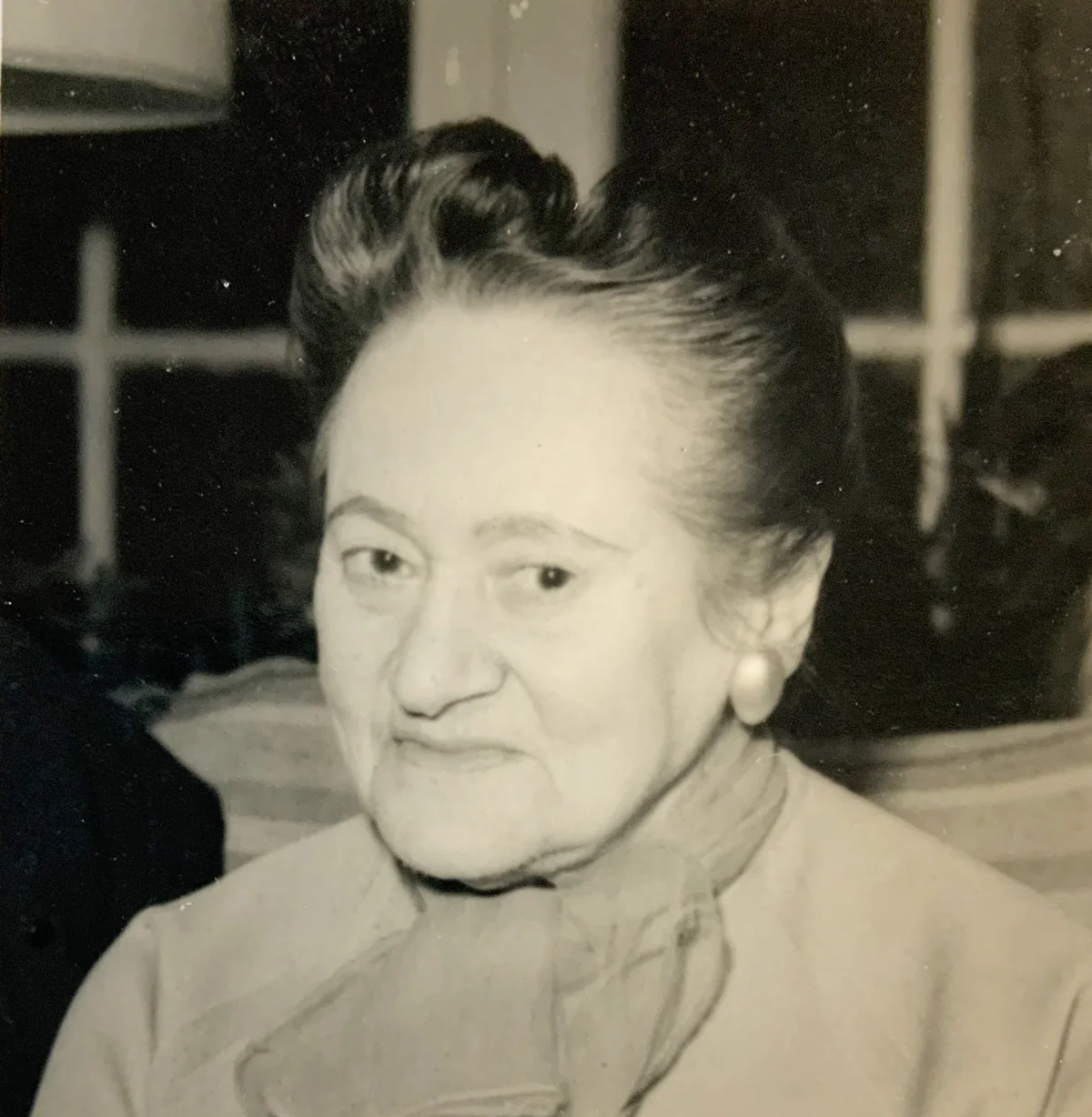
Freida Swain, composer

Gabriela Ortiz, composer, with GRAMMY Award
From May 6 – 8, the New York Philharmonic and the Spanish Harlem Orchestra presents their first-ever joint concert. Dudamel will lead the NY Phil in a series of works from across the Americas, including Gabriela Ortiz’s Antrópolis. After intermission, the Spanish Harlem Orchestra will join them onstage—a three-time Grammy-winning Salsa and Latin Jazz band led by Oscar Hernández. The composer discusses her inspiration for the piece here, remembering the 1980s and how she brought Mexican dance club influences into the orchestral space. The opening timpani solo hints at how much Ortiz loves to write for percussion—and under-used medium, she believes, in orchestral music.
Below is Ortiz’s featured work from the program, Antrópolis, performed by the Orquesta Sinfónica de Minería.
Let us know what you’re listening to, and about events coming up!! Email us at info@wophil.org