
There are plenty of women to listen to this week!
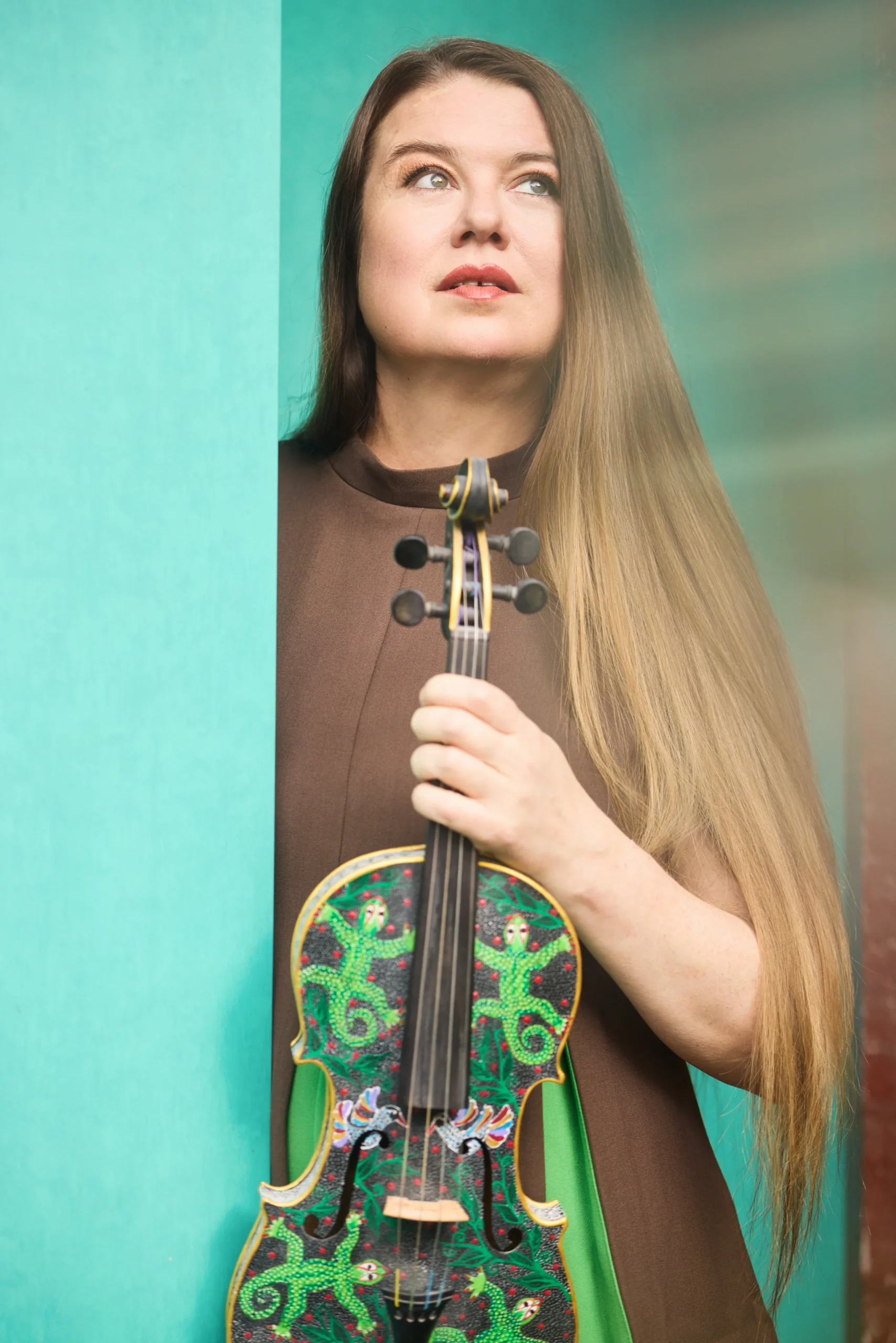
Lara St. John, violinist and activist
Through July 1, Dear Lara streams in Canada with Pay What you Can pricing. The schedule is available here. Lara St. John’s documentary is a necessary and unflinching critique of the sexism and sexual abuse prevalent in classical music, and the institutions that have allowed them to thrive. I had a chance to view the documentary when it was shown at the 2025 American Musicological Society annual meeting, and it surpasses all its hype. Whatever you’ve heard about this film pales in comparison to the real thing.
This is an important documentary, not only for the truths that it insists on telling about an industry that is too ready to sweep them under the carpet but also for the legitimate critique it brings against individuals and institutions of classical music that believe themselves to be above accountability for perpetrating or condoning abuse.
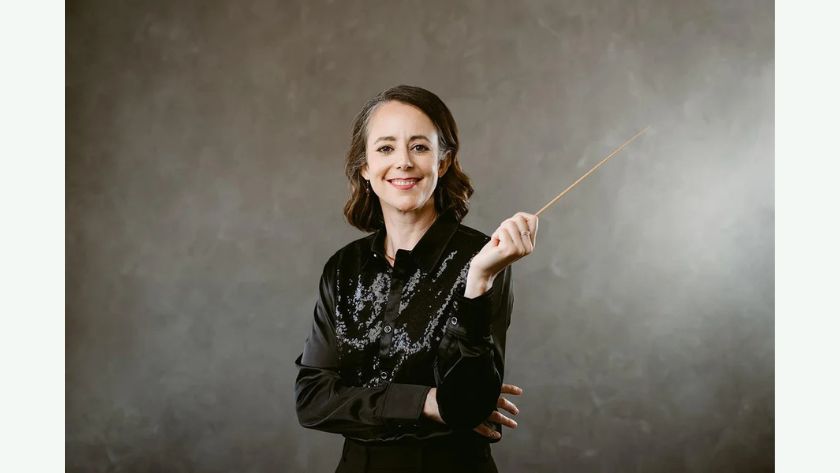
Mélisse Brunet, conductor
Announced June 25th, the Lexington (Kentucky) Philharmonic has renewed Mélisse Brunet’s contract as music director and conductor through 2031. Brunet made local history in 2022 as the first woman to direct the ensemble. The French-American conductor’s 2025/26 season work has also included her Carnegie Hall debut with the American Composers Orchestra and a program of new contemporary works, as well as appearances with the Phoenix Symphony, Sacramento Philharmonic, Louisiana Philharmonic, Nashville Symphony, Delaware Symphony, Wintergreen Music Festival, New Hampshire Music Festival, the West Virginia Symphony, and the Orchestre National Avignon-Provence (France). She is a regular collaborator with contemporary composers and she also arranges of music for orchestra.
On July 2, the Royal College of Music Symphony Orchestra performs Gabriella Smith‘s Tumblebird Contrails (2014), accompanied by pieces by Nielsen and Mozart. Smith’s work was commissioned by the Pacific Harmony Foundation (John Adams and Deborah O’Grady) for the 2014 Cabrillo Festival of Contemporary Music. The concert will be available to stream for free via the RCM.
Below, the Royal Stockholm Philharmonic Orchestra performs Smith’s work in a 2023 recording for the Nobel Prize ceremony, conducted by Esa-Pekka Salonen.
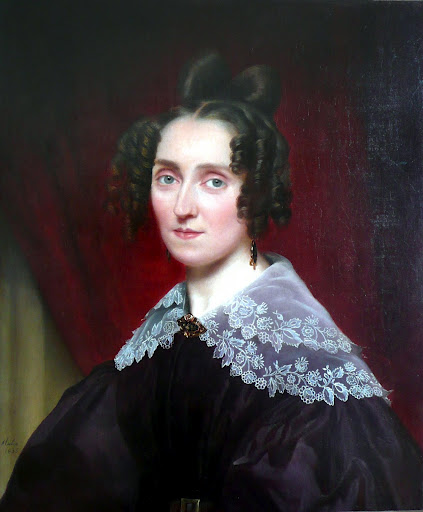 On July 2, the Orchestra National de France performs Louise Farrenc’s Symphony n. 3 at the Auditorium Radio France in Paris, under the direction of conductor Dinis Sousa. Farrenc’s symphony was first performed in 1849. This concert will pair it with Berlioz’s 1825 Messe solennelle. Tickets and more info are here.
The popularity of this piece in the 21st century is largely because of the revival of Farrenc’s music in the late 20th century as part of investigations into women’s music systemically: The Women’s Philharmonic performed Nan Washburn’s edition of the work in the 1980s, and WPA publishes the work. To many listeners, Farrenc is known primarily as a composer for piano; it was much more common for women to be pianists than composers at the time, and indeed the Paris Conservatoire did not permit her to study composition formally. She studied privately with Antoine Reicha, and after establishing married life, touring Europe, and returning to the conservatoire to teach piano she began writing large-scale works for orchestra in her later career. Her third symphony is the last of these, written in the 1830s and 40s.
Margaret Bonds, composer
On July 3, the New York Philharmonic will perform its Independence Day program “American Promise.” The concert includes two movements from larger works by black women composers: Margaret Bonds’s movement “The Decision” from her classic Montgomery Variations, which honors Dr. Martin Luther King, Jr.; and Florence Price’s lively “Juba Dance” from her Symphony N. 1, which explores the dance rhythms and music of enslaved people of South Carolina originally brought to the US from the Congo. The headlining work, Karen LeFrak’s American Promise, is an inspiring reflection on the signing of the Declaration of Independence—fitting for the US’s 250th anniversary celebration.
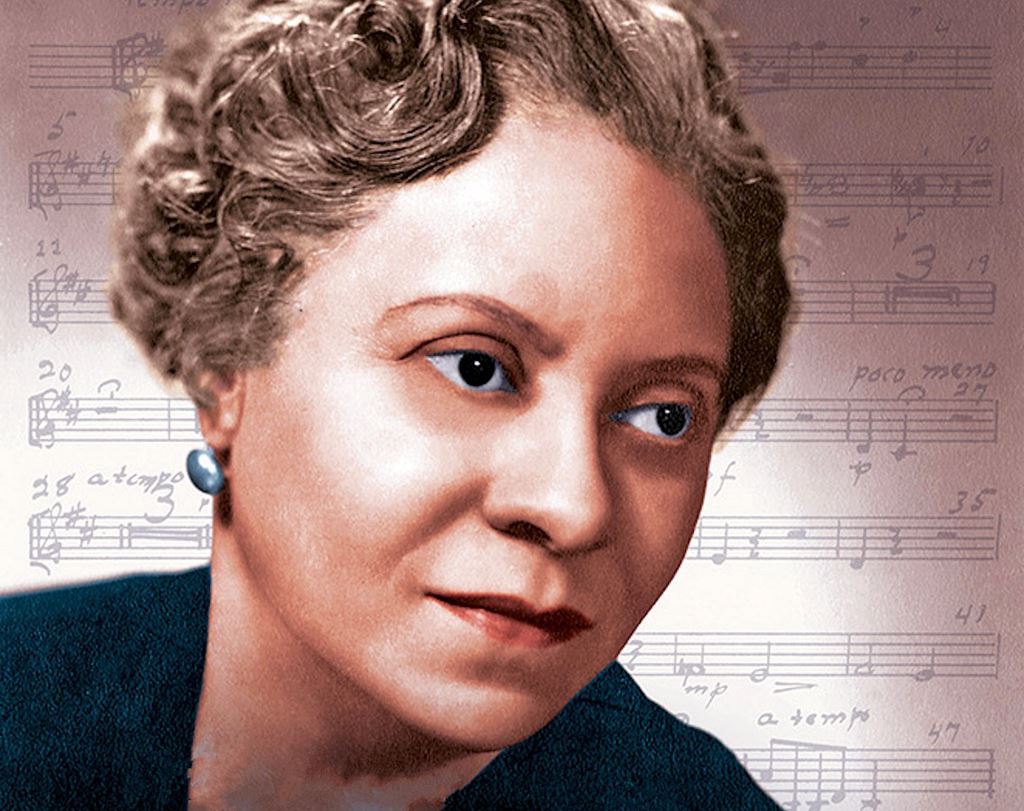
Composer Florence Price
Credit: CSO
On July 4, the City of Birmingham Symphony Orchestra will perform the European premiere of an orchestration of nine songs by composer Florence Price on its program of music from the United States. Lior Rosner has orchestrated the songs by Price, including her famous “Heart of a Woman” (1941) with its enduring message that freedom should never be taken for granted. The concert will also include Joan Tower’s Fanfare for the Uncommon Woman, as well as classic works by Aaron Copland and John Adams.
From July 2–5, the 50th National Women’s Music Festival takes place in Middleton, Wisconsin. The NWMF Orchestra performs on Saturday July 3rd, under the baton of Nan Washburn who is celebrating her 27th year leading the ensemble. The concert will feature the work of Autumn Maria Reed as the winner of the 2026 Young Women of Color Composers Competition, as well as the Suite from Mlle. Duval’s opera Les Genies. The score is published by Women’s Philharmonic Advocacy, and the piece regained popularity through The Women’s Philharmonic’s first recording of it in 1998 (and performance at previous concerts). The festival is currently sold out, but organizers are working on making video content available shortly after the festival. Stay tuned for updates—we’ll post them as soon as we get them!
Finally, the Allegra Chamber Orchestra’s 2026 Composer Incubator program is accepting applications from any Canadian female-identifying composers. Composer INC is a five-month incubator (tuition-free): from July to November 2026 participants will create a brand-new chamber work, to be performed on the culminating premiere concert with the Allegra Chamber Orchestra in Vancouver. A program of mentorship, workshops, networking, and artistic development accompanies the creating of the new work, designed to support Canadian women composers in their artistic journeys and to invest in the future of women in classical music. Applications for the 2026 program are due July 13, 2026.
Let us know who you’re listening to! Email us at info@wophil.org