
Let’s get your week off t an exciting start!
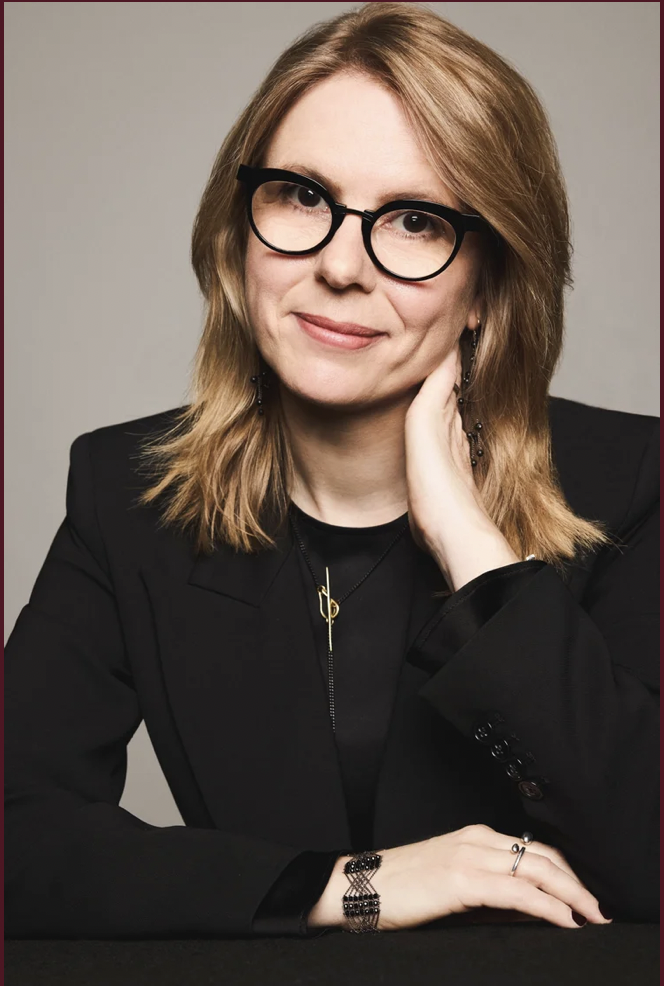
Anna Clyne, composer
On August 16, the Tanglewood Music Center Orchestra will perform Anna Clyne’s tone poem Masquerade (2013), under the baton of Marin Alsop. Alsop conducted the premiere of the work thirteen years ago with the BBC Symphony Orchestra. The composer writes “Masquerade draws inspiration from the original mid-18th century promenade concerts held in London’s pleasure gardens. As is true today, these concerts were a place where people from all walks of life mingled to enjoy a wide array of music. … I am fascinated by the historic and sociological courtship between music and dance. Combined with costumes, masked guises and elaborate settings, masquerades created an exciting, yet controlled, sense of occasion and celebration. It is this that I wish to evoke in Masquerade.” (Composer notes link directly to Boosey & Hawkes).
Here is a recording of Clyne’s Masquerade, performed a the Mostly Modern Festival at Skidmore College in New York in 2023:
Two reports from German organizations are featuring their women members. The Berlin Philharmonic has released a portrait of Madeleine Caruzzo, the first woman to join the orchestra, titled: “‘How Did You Manage That?’ Madeleine Caruzzo, First Woman in the Berlin Philharmonic.” Caruzzo joined during the tenure of Herbert von Karajan. Both the website and the portrait of Caruzzo are in German. Similarly, the Salzburg Festival is hosting a “Festspiel Academy” on August 15 and 16 led by the Elfriede Jelinek Research Center. (Coverage is also in German.) The purpose of the Academy is to address the “alarmingly low proportion of women writers and composers in past festival programs”—reportedly 2.3% of total works from 1920 to 2026, according to the Elfriede Jelinek Interuniversity Research Network. At WPA we applaud any research that stands to improve the representation of women, particularly by institutions that have historically been resistant to it. However, at this stage it’s difficult for me personally to think of the Academy as doing progressive work; more “Better late than never” at this stage. Perhaps the findings of the Academy and the influence of the Elfriede Jelinek Research Center on the Salzburg Festival will help me to grow my optimism.
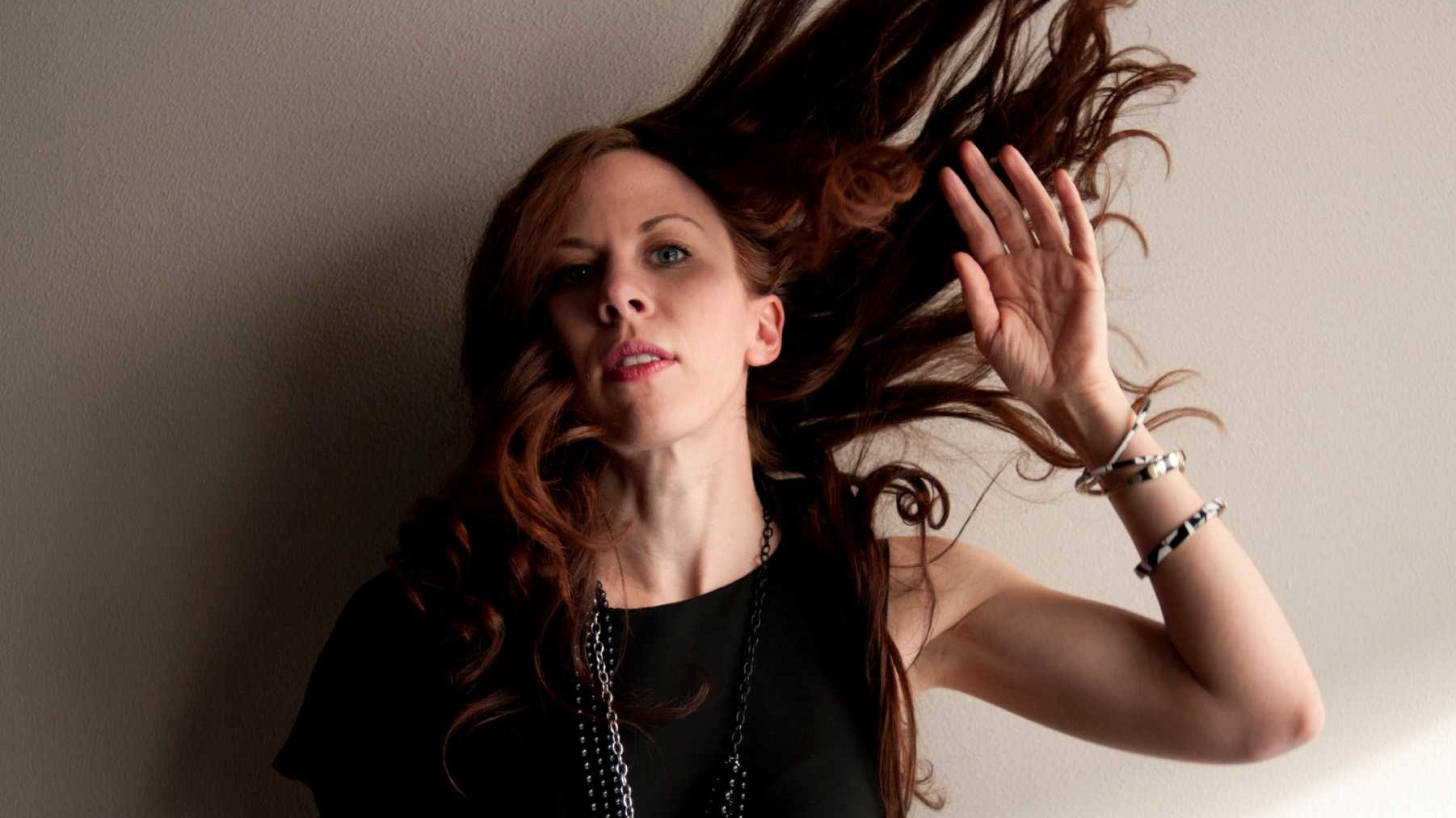
composer Missy Mazzoli
On August 9, Missy Mazzoli’s opera The Galloping Cure opened at the Edinburgh International Festival, a n annual celebration of music and the performing arts held in August for three weeks. The 2026 Festival is August 7–30. The world premiere of The Galloping Cure is part of the Anderson Opera Series, mounted by Opera Ventures Productions and Scottish Opera. The opera is a contemporary fable and a deliberate allegory for the opioid epidemic—a subject that Mazzoli has said she has wanted to explore in opera for some time. She says that she was inspired by the deaths of two of her cousins. “One was in 2002 and the other passed away in 2009 and they were both 25,” she said. “One overdosed on OxyContin and the other one overdosed heroin after becoming addicted to heroin via OxyContin.” The opera turns (literally!) on the prospect of riding a carousel of six fiberglass horses that miraculously relieves aches and pains. The carousel is owned and operated by the charismatic and besuited Lucky Mack, and predictably, the first ride is free. The local doctor, Theresa Hart, watches her rural community become swept up in the euphoria of this miracle experience. But, once experienced, getting off the ride becomes harder at every turn.
Classical Music Daily has announced new album releases for August – November 2026. On September 4, Her Symphonic Voice will be available from Albany Records (TROY 2033). Recorded by the Rutgers Symphony orchestra under the direction of conductor Ching-Chun Lai, it features live orchestral performances of music for orchestra by women composers, including: the second and third movements of the Gaelic Symphony (Symphony N. 2) by Amy Beach; Fanfare for the Uncommon Woman VI and For the Uncommon Woman by Joan Tower; Celebration and Tone Poem for Orchestra by Chen Yi; and Three Latin-American Dances by Gabriela Lena Frank. I suspect that “For the Uncommon Woman” may be a titling error on the website, and that the piece on the recording may be Tower’s Fanfare for the Uncommon Woman IV. The timestamps are similar and Fanfares IV and VI are the two written for full orchestra. A more obvious titling error is the reference to Amy Beach’s “Symphony n. 2” a labelling invented by the old publisher Lucks; our edition of Beach’s one and only Symphony names it accurately.
The album can be pre-listened to using the Youtube link below, and pre-ordered on the Albany Records website.
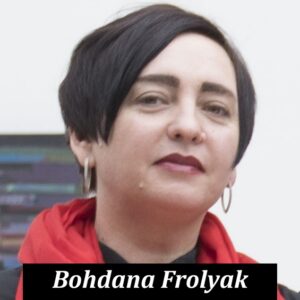
Finally, the Ukrainian Freedom Orchestra launched its ambitous annual tour on Aug. 18 in Poland, and continues through Aug. 26 in six countries, ending in New York City. The orchestra was founded in 2022 by conductor Keri-Lynn Wilson, in response to the Russian attack on Ukraine. This year, six of the seven concerts feature “Gloria” by Ukrainian composer Bohdana Frolyak. “Gloria” is a new commission by the UF Orchestra, which, Frolyak says, “is dedicated to all
the heroes who have given their lives in this terrible war and to all who stand and defend Ukraine from this total evil.”
Let us know what you’re listening to! Email us at info@wophil.org or get in touch using our handy contact form.