
Exciting news and exciting listening!
On August 20, the Royal Philharmonic Society announced the recipients of its Ambache fund, grants for supporting the work of promoting historical women composers. For many years the Ambache Charitable Trust —named for its founder and a brilliant musical pioneer Diana Ambache – has supported musicians who champion historic women composers. This fund has been reorganized as the RPS Ambache Fund, making its new home at the Royal Philharmonic Society. The 2026 recipients are the first to receive the award from the RPS. The full list of the recipients of over £16,000 in supportive grant funds and their proposed projects can be viewed on the RPS’s website, but they include some WPA favorites as well as exciting orchestra works: Dr. Samantha Ege, making the world premiere recording of Ethel Bilsland’s Piano Concerto with the BBC Concert Orchestra (Resonus Classics); the Philharmonic Orchestra, performing Sofia Gubaidulina’s Offertorium; and the charity Audioadvisability, promoting composer Ethyl Smyth’s work and identity as a deaf composer through live accessible performances and workshops.
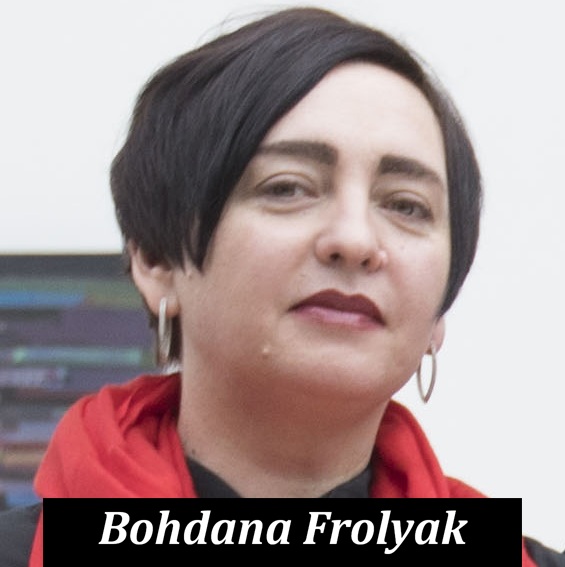 On August 25, the Ukrainian Freedom Orchestra will perform the US premiere of Bohdana Frolyak’s Gloria at Lincoln Center. (The piece is programmed opposite Verdi’s Requiem.) The orchestra will be joined by the Chorus of the Metropolitan Opera and a quartet of soloists.
The Ukrainian Freedom Orchestra was formed in 2022 by Canadian Ukrainian conductor Keri-Lynn Wilson in direct response to Russia’s full-scale invasion and bears witness to an invincible country and to a culture that will never be silenced. Bohdana Frolyak composers for ensembles ranging from chamber groups to large orchestras. She has been a lecturer on the music composition faculty at the Lviv Conservatory since 1991, and is also a member of the Ukrainian Composers’ Union. In addition to symphonies and concertos, many of her celebrated major works written in the 21st century (including Gloria) draw on religious texts and themes for their subject matter or form—something that would have been discouraged when she was a young/trainee composer in the late days of the Soviet Union. The trajectory of Frolyak’s compositional style is particularly interesting to follow because she has returned to studentship while a practicing composer, including non-degree post-graduate work in jazz and contemporary music.
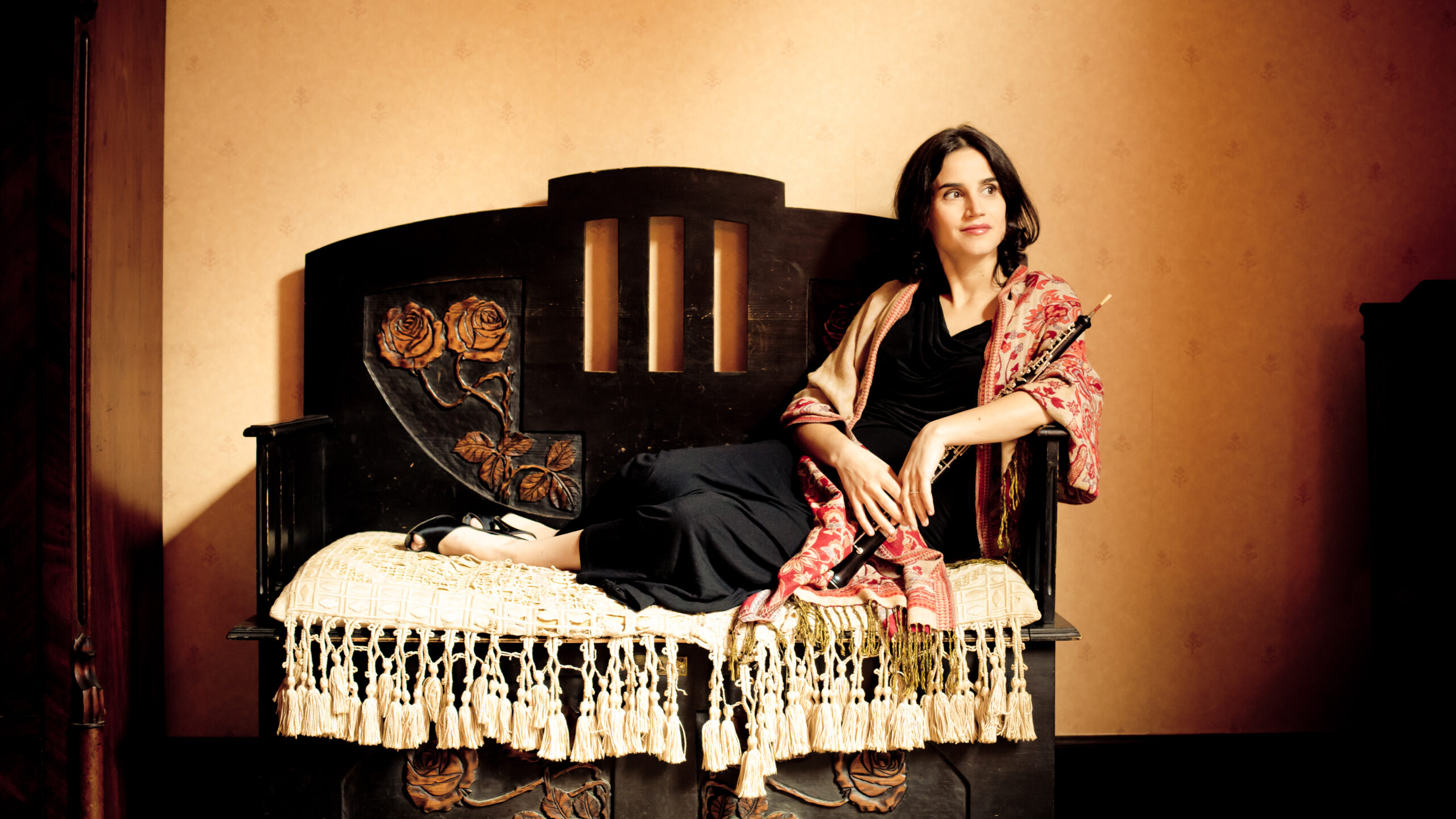
Katherine Needleman, pictured on https://katherineneedleman.com/
Oboist, activist, and tireless advocate for women musicians Katherine Needleman has released some new and important commentary, titled “Behind the Collage at the New York Philharmonic.” (Available to read via Facebook and Substack.) The NY Phil has launched a PR campaign to promote their “Project 19” initiative to celebrate the 100th anniversary of the passage of the 19th Amendment begun in 2019, for which they commissioned 19 works by 19 women composers.
Needleman positions the collage of the photos of women composers as a smokescreen designed to pull focus from how the orchestra has treated women in the past—both the historical and very recent pasts—and to put the focus onto giving the NY Phil credit for its nineteen commissions. “Ooooh, wow, look at the women composers. Look at this great project,” she describes the goals of the marketing campaign. “So very many works by women—nineteen whole works, amazing! And a whole collage of women. Not one man in the whole collage! What a great and helpful place for women. So modern! So woke! So great! It’s so nice that the New York Philharmonic values women’s voices.” She them immediately gets to the heart of the matter, and reminds all readers of the NY Phil’s recent treatment of Cara Kizer and Amanda Stewart, who were recently denied tenure in the orchestra’s brass section after respectively bringing forward and supporting evidence of sexual assault. (Needleman has reported extensively on this and the Vulture reportage that broke the original story). The NY Phil’s “Project 19” has taken seven seasons to roll out, and the slow-walk of this initiative has resulted in a paltry number of commissions per season. Particularly in light of their promotion of the project, the NY Phil seems to be looking to get the maximum amount of credit for the least amount of work. (Forgive me if I can’t act surprised by it.) Commissioning 19 works by women composers doesn’t look small until it’s compared to the number of men the orchestra has commissioned. “One must wonder,” Needleman writes, “how these numbers [i.e., 9.8% of works programmed in the 2025-26 season being by women] will look if they don’t have a fancy ‘project’ and collage to advertise.”
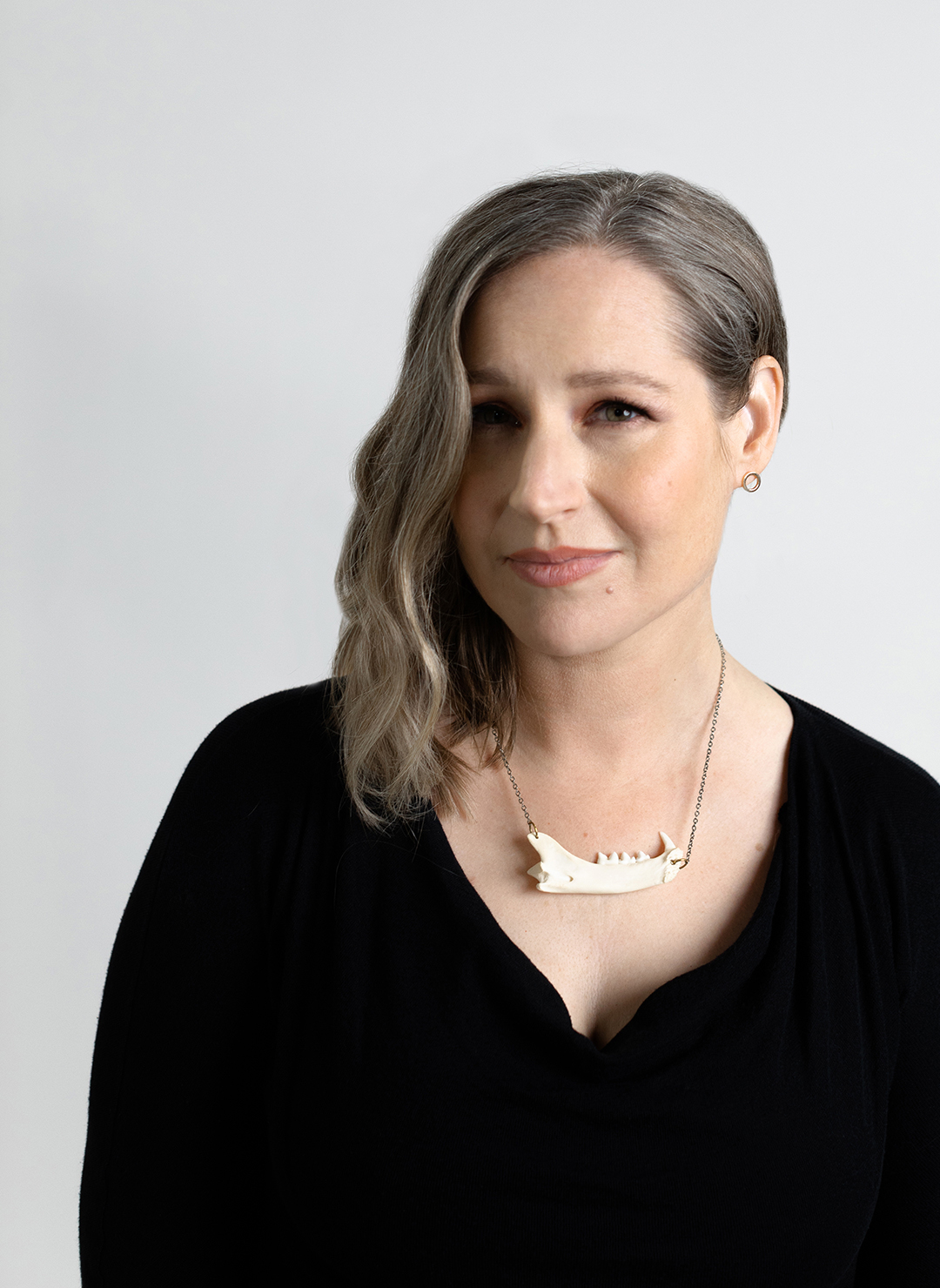
Photo Credit: Elena Stanton, https://jocelynhagen.com/
Released August 14, 2026, the album Here I Am recorded by the Tucson Girls Chorus and True Concord Voices and Orchestra, showcases two large works for orchestra and chorus works by composer Jocelyn Hagen. The two works included on the album, The Notebooks of Leonardo Da Vinci and Here I Am, combine Hagen’s talents for writing for both voices and instruments. In 2026 large works like these seem to occupy a place between genres. The combination of orchestra and chorus evokes the oratorio, though using secular texts for the libretto gives it a contemporary feel. Likewise, having a clear program drawn from a text puts the orchestra clearly in tone poem territory, but the texts aren’t narrative; they focus on ideas and abstractions more than a narrative or plot to structure the piece. When performed live, The Notebooks of Leonardo DaVinci (2019) includes a series of video projections featuring the drawings, texts, and eventual inventions of the subject that Hagen portrays in her music.
Jocelyn Hagen is “a pioneer in the field of composition, pushing the expectations of musicians and audiences with large-scale multimedia works, electro-acoustic music, dance, opera, and publishing.” She is also a fierce advocate for gender equality and inclusivity, and her Compose Like A Girl initiative (linked through her website) promotes female-identifying composers, works with conductors to diversify their concert/performing repertoire, and strives for parity in the programming and commissioning of music by women.
Below is an embedded player for the album, linked via Spotify.The album is available to order from True Concord, and is available to stream from these linked streaming services.
Let us know what you’re listening to! Email us at info@wophil.org, or get in touch using our handy contact form.